Symantec to buy LifeLock for $2.4 billion: reports

Cybersecurity giant Symantec Corp. is reportedly close to a $2.4 billion acquisition of LifeLock Inc. [s:lock] Bloomberg news reported Sunday night that the deal could be announced Monday, following the result of a bidding war. LifeLock had reportedly been pursuing buyers for months. LifeLock shares are up more than 44% year to date; Symantec is up about 13% in 2016. Earlier this year, Symantec bolstered its holdings with the $4.65 billion acquisition of cybersecurity firm Blue Coat Inc.

Market Pulse Stories are Rapid-fire, short news bursts on stocks and markets as they move. Visit MarketWatch.com for more information on this news.

…read more

From:: Stock Market News

Study Shows Low-Income Housing Does Not Impact Property Values

By Susanne Dwyer

Least Affordable Housing Markets Analyzed and Their Low-Income Housing Project Details, 1996-2006

As markets across the country stretch tight with low inventory and high selling prices, many homeowners fear, and even boycott, low-income housing. Specifically, homeowners are wary of the integration of HUD-supported Low Income Housing Tax Credit (LIHTC) housing projects. Why? Some believe that these government-supported homes may lower the values of properties nearby.

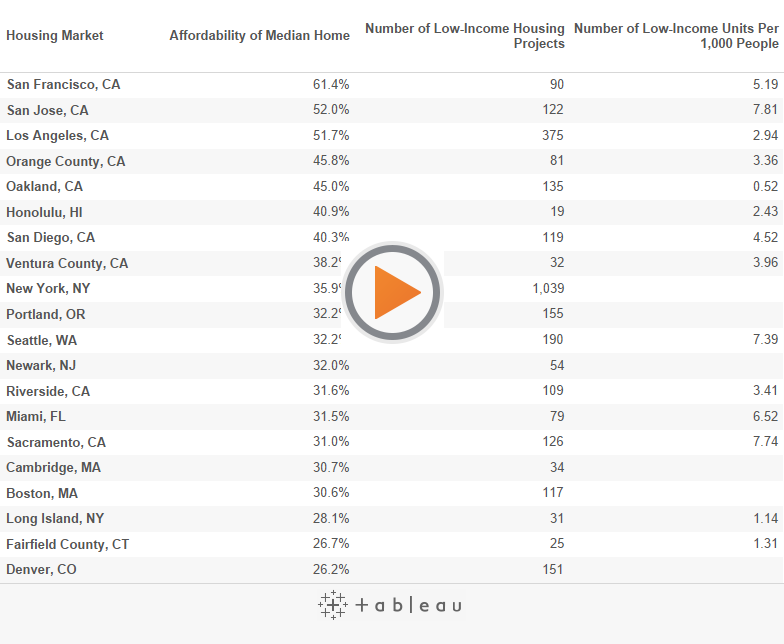
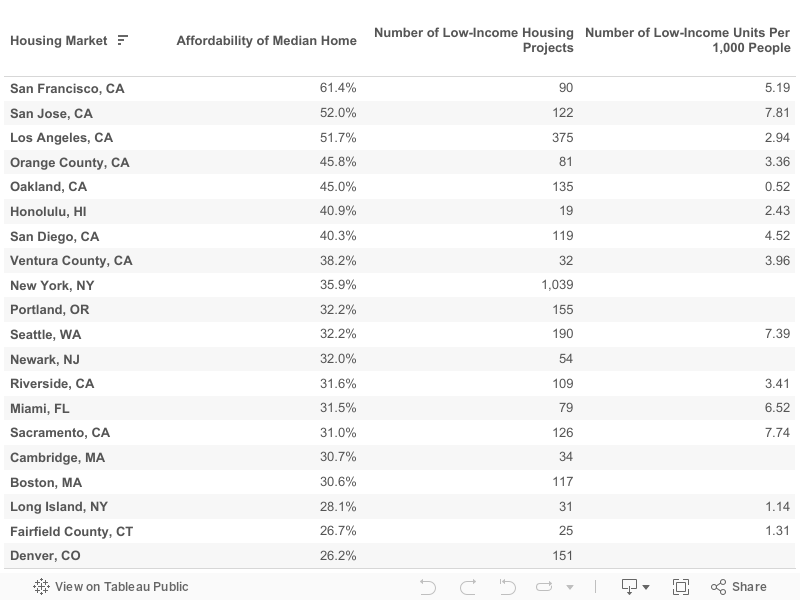
A recent study powered by Trulia wipes these fears clean by setting the table with surprising news: in the nation’s 20 least affordable housing markets, low-income housing built during a 10-year span shows no negative effect on nearby home values. We repeat: No. Negative. Effect. The only markets with any negative implication are in Boston and Cambridge, Mass., where low-income homes had a negative impact on price per square foot.

In the other 19 markets, which include Honolulu, Hawaii; Orange County, Calif.; and Miami, Fla., no downfalls of integrated low-income housing surfaced. In an interesting plot twist, homes located near low-income housing projects in Denver, Colo. actually registered a positive impact in terms of price per square foot.

Check out more of the study’s findings below, and read the full results here.

Zoe Eisenberg is RISMedia’s senior content editor. Email her your real estate news ideas at zoe@rismedia.com.

This was originally published on RISMedia’s blog, Housecall. Visit the blog daily for housing and real estate tips and trends, Like Housecall on Facebook and follow @HousecallBlog on Twitter.

The post Study Shows Low-Income Housing Does Not Impact Property Values appeared first on RISMedia.

…read more

From:: Finance and Economy

Study Shows Low-Income Housing Does Not Impact Property Values

By Susanne Dwyer

Least Affordable Housing Markets Analyzed and Their Low-Income Housing Project Details, 1996-2006

As markets across the country stretch tight with low inventory and high selling prices, many homeowners fear, and even boycott, low-income housing. Specifically, homeowners are wary of the integration of HUD-supported Low Income Housing Tax Credit (LIHTC) housing projects. Why? Some believe that these government-supported homes may lower the values of properties nearby.

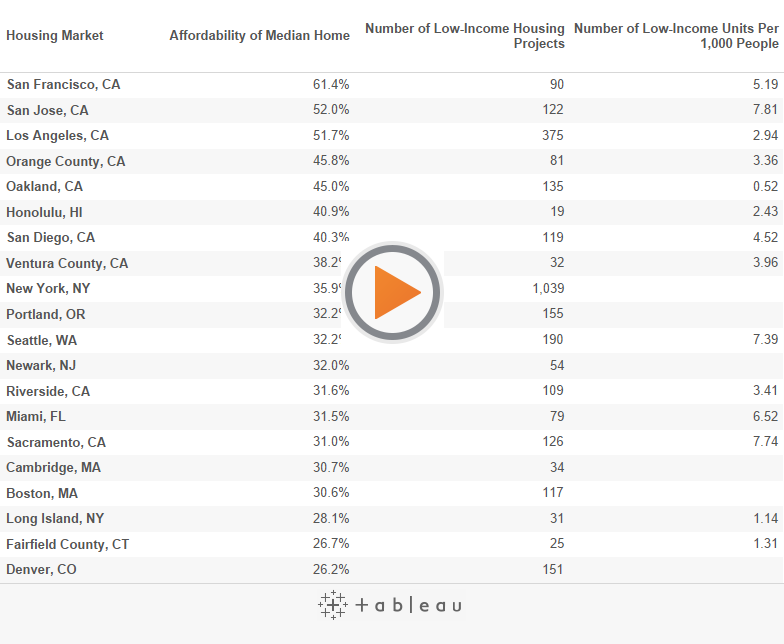
A recent study powered by Trulia wipes these fears clean by setting the table with surprising news: in the nation’s 20 least affordable housing markets, low-income housing built during a 10-year span shows no negative effect on nearby home values. We repeat: No. Negative. Effect. The only markets with any negative implication are in Boston and Cambridge, Mass., where low-income homes had a negative impact on price per square foot.

In the other 19 markets, which include Honolulu, Hawaii; Orange County, Calif.; and Miami, Fla., no downfalls of integrated low-income housing surfaced. In an interesting plot twist, homes located near low-income housing projects in Denver, Colo. actually registered a positive impact in terms of price per square foot.

Check out more of the study’s findings below, and read the full results here.

Zoe Eisenberg is RISMedia’s senior content editor. Email her your real estate news ideas at zoe@rismedia.com.

This was originally published on RISMedia’s blog, Housecall. Visit the blog daily for housing and real estate tips and trends, Like Housecall on Facebook and follow @HousecallBlog on Twitter.

The post Study Shows Low-Income Housing Does Not Impact Property Values appeared first on RISMedia.

…read more

From:: Real Estate News

Explore America’s Neighborhoods: Montford, Asheville, N.C.

By Susanne Dwyer

Thomas Wolfe’s autobiographical novel, Look Homeward, Angel tells the story of a fictionalized Asheville, N.C. In it he writes, “Dull people filled him with terror.” This observation makes sense, given that only a handful of people lived in the small town of Montford when Wolfe was growing up.

However, the neighborhood was annexed to the city of Asheville in 1905 following a development plan organized by the Asheville Loan, Construction, and Improvement Company. From there, the once-dull neighborhood of Montford dropped its independence and picked up fabulousness.

Though predominantly used for single-family homes, land use in Montford has been mixed since the earliest days of development. The old Highland Hospital, located off the northern end of Montford Avenue, was the scene of a deadly fire in 1948—among the victims was Zelda Fitzgerald.

Author William Sydney Porter, commonly known as O’Henry, was also a native of Montford. His grave can be found at the Riverside Cemetery, along with Wolfe’s. Clearly this small neighborhood, bounded by the U.S. Routes 19/23, I-240, and Broadway, managed to amass an arsenal of stellar literary figures.

But these literary giants were not the only neighborhood stars. For starters, the enterprise that was Montford was taken over by George Willis Pack, known back then as a Midwestern lumber tycoon and now recorded in history as a “philanthropist and benefactor” of both the town’s library and square.

The demographic sphere in Montford was comprised of mostly middle class, day-to-day players such as lawyers, doctors, businessmen and architects. Many working class and African-American citizens also found a home in this neighborhood.

Montford became a listed Historic District in 1977 in the National Register of Historic Places, a merit it also achieved at a local level in 1981 through the Asheville City Counci

Source: Montford.org

Gabrielle van Welie is RISMedia’s editorial intern. Email her your real estate news ideas at gvanwelie@rismedia.com.

This was originally published on RISMedia’s blog, Housecall. Visit the blog daily for housing and real estate tips and trends, Like Housecall on Facebook and follow @HousecallBlog on Twitter.

The post Explore America’s Neighborhoods: Montford, Asheville, N.C. appeared first on RISMedia.

…read more

From:: Real Estate News

Don’t Move: Americans Migrated Less This Year

By Susanne Dwyer

Despite a strengthening housing market and an improving overall economy, a new study shows Americans are deciding not to move as much. Moves across the country have declined to an all-time low this year, with the percentage of Americans migrating within the country falling to 11.2 percent.

The most moves, according to the U.S. Census Bureau’s “Geographic Mobility: 2015 to 2016,” came from minority demographics. The African-American population made up 13.8 percent of those relocating, and the Asian population brought in another 13.4 percent. The Hispanic/Latino population comprised 12.6 percent of all moves; the white population comprised only 10.3 percent of those packing their boxes. The non-Hispanic white population brought up the rear with 9.8 percent.

“People in the United States are still moving, just not to the same extent as they did in the past,” says David Ihrke, a survey statistician in the Census Bureau’s Journey-to-Work and Migration Statistics Branch. “The decision to move can be personal and contextual. What causes one person to move might not be enough to convince another.”

Why Are(n’t) We Moving?
The majority of those who moved (42.2 percent) did so for a “housing-related reason,” such as the desire to snag a “better” spot. As employment strengthens, more people are able to sock away a little savings or afford higher monthly mortgage.

The report noted that approximately 27 percent of movers migrated for a “family-related reason.” A chunky 20.2 percent moved for an “employment-related reason.”

The South is a happening place. While the most outbound moves (901,000) occurred in the South, those residents were replaced with even higher inbound moves (940,000), according to the report.

Moves between Florida and New York and California and Texas occurred at a marked rate: New York had 69,289 residents migrate to Florida, and California had 65,546 residents migrate to Texas.

The most significant migration at the county level took place from Los Angeles County to Orange County and San Bernardino County, Calif., with 39,865 moves as residents of La La Land hightail it out of the city.

Source: U.S. Census Bureau

Suzanne De Vita is RISMedia’s online news editor. Email her your story ideas at sdevita@rismedia.com. Zoe Eisenberg is RISMedia’s senior content editor. Email her your story ideas at zoe@rismedia.com.

This was originally published on RISMedia’s blog, Housecall. Visit the blog daily for housing and real estate tips and trends.

The post Don’t Move: Americans Migrated Less This Year appeared first on RISMedia.

…read more

From:: Finance and Economy

Don’t Move: Americans Migrated Less This Year

By Susanne Dwyer

Despite a strengthening housing market and an improving overall economy, a new study shows Americans are deciding not to move as much. Moves across the country have declined to an all-time low this year, with the percentage of Americans migrating within the country falling to 11.2 percent.

The most moves, according to the U.S. Census Bureau’s “Geographic Mobility: 2015 to 2016,” came from minority demographics. The African-American population made up 13.8 percent of those relocating, and the Asian population brought in another 13.4 percent. The Hispanic/Latino population comprised 12.6 percent of all moves; the white population comprised only 10.3 percent of those packing their boxes. The non-Hispanic white population brought up the rear with 9.8 percent.

“People in the United States are still moving, just not to the same extent as they did in the past,” says David Ihrke, a survey statistician in the Census Bureau’s Journey-to-Work and Migration Statistics Branch. “The decision to move can be personal and contextual. What causes one person to move might not be enough to convince another.”

Why Are(n’t) We Moving?
The majority of those who moved (42.2 percent) did so for a “housing-related reason,” such as the desire to snag a “better” spot. As employment strengthens, more people are able to sock away a little savings or afford higher monthly mortgage.

The report noted that approximately 27 percent of movers migrated for a “family-related reason.” A chunky 20.2 percent moved for an “employment-related reason.”

The South is a happening place. While the most outbound moves (901,000) occurred in the South, those residents were replaced with even higher inbound moves (940,000), according to the report.

Moves between Florida and New York and California and Texas occurred at a marked rate: New York had 69,289 residents migrate to Florida, and California had 65,546 residents migrate to Texas.

The most significant migration at the county level took place from Los Angeles County to Orange County and San Bernardino County, Calif., with 39,865 moves as residents of La La Land hightail it out of the city.

Source: U.S. Census Bureau

Suzanne De Vita is RISMedia’s online news editor. Email her your story ideas at sdevita@rismedia.com. Zoe Eisenberg is RISMedia’s senior content editor. Email her your story ideas at zoe@rismedia.com.

This was originally published on RISMedia’s blog, Housecall. Visit the blog daily for housing and real estate tips and trends.

The post Don’t Move: Americans Migrated Less This Year appeared first on RISMedia.

…read more

From:: Real Estate News

Real Estate Investors Target College Towns…Maybe You Should, Too

By Susanne Dwyer

Every year, well over 100,000 students, faculty and staff infiltrate the otherwise sleepy little community of Bryan-College Station, Texas. Why? College Station is home to one of the world’s largest universities—Texas A&M—and Bryan is home to Blinn College. These two institutions combined tip the enrollment scales at over 100,000 undergraduate students, making the area a prime location for international investors. But what makes this market unique is that on-campus housing—the dorm life—is limited to less than 25 percent of the freshman class. Plus, a significant majority of the remaining students, and a very large percentage of the supporting staff and ancillary service providers, choose to rent during the school year, rather than own. This makes for a huge off-campus rental market, and investors across the globe are taking notice. If you’re an owner looking for an ancillary product to add to a growing list of services, or a sales professional wanting to build an international niche, you should consider targeting college towns like Bryan-College Station.

Historically, college towns across the country—especially in states like Texas—have some of the most undervalued real estate in the nation, and savvy investors are cashing in on the opportunities. Teams like mine at CENTURY 21 Beal in College Station are creating a full-service investment real estate sales and management niche by attracting large investors looking for secondary and tertiary markets to drive portfolio value and first-time buyers who appreciate and value real estate as an asset to building wealth.

“I like to use the 1 percent rule,” says NFL Hall of Famer and real estate investor Bruce Matthews. “If I can buy a $200,000 property that rents for 1 percent, or $2,000 per month, I’m cash-flow positive with current interest rates and a 20 percent down payment. I just let the tenants pay for my house and let Aggieland Properties take care of everything else.”

Bruce isn’t alone. Investors across the globe are zeroing in on college towns for their historically affordable real estate, extraordinarily captive audience of tenants and tremendous cash flow opportunities.

The opportunity, therefore, is for professionals to step in on behalf of their clients, be the knowledgeable resource about the market and the product type the investor is interested in, negotiate the best deal possible on their behalf, and complete the transaction for investors who, in many cases, conduct this business without even stepping foot in the market. You’ll need a system and platform that best suits your needs to leverage these opportunities, and we couldn’t ask for a better partnership than the one we have between Century 21 Real Estate and the CENTURY 21 Beal, Aggieland Properties Team.

Kevin Matthews is a sales professional with CENTURY 21 Beal, Aggieland Properties Team.

For more information, please visit www.century21.com.

For the latest real estate news and trends, bookmark RISMedia.com.

The post Real Estate Investors Target College Towns…Maybe You Should, Too appeared first on RISMedia.

…read more

From:: Finance and Economy

Real Estate Investors Target College Towns…Maybe You Should, Too

By Susanne Dwyer

Every year, well over 100,000 students, faculty and staff infiltrate the otherwise sleepy little community of Bryan-College Station, Texas. Why? College Station is home to one of the world’s largest universities—Texas A&M—and Bryan is home to Blinn College. These two institutions combined tip the enrollment scales at over 100,000 undergraduate students, making the area a prime location for international investors. But what makes this market unique is that on-campus housing—the dorm life—is limited to less than 25 percent of the freshman class. Plus, a significant majority of the remaining students, and a very large percentage of the supporting staff and ancillary service providers, choose to rent during the school year, rather than own. This makes for a huge off-campus rental market, and investors across the globe are taking notice. If you’re an owner looking for an ancillary product to add to a growing list of services, or a sales professional wanting to build an international niche, you should consider targeting college towns like Bryan-College Station.

Historically, college towns across the country—especially in states like Texas—have some of the most undervalued real estate in the nation, and savvy investors are cashing in on the opportunities. Teams like mine at CENTURY 21 Beal in College Station are creating a full-service investment real estate sales and management niche by attracting large investors looking for secondary and tertiary markets to drive portfolio value and first-time buyers who appreciate and value real estate as an asset to building wealth.

“I like to use the 1 percent rule,” says NFL Hall of Famer and real estate investor Bruce Matthews. “If I can buy a $200,000 property that rents for 1 percent, or $2,000 per month, I’m cash-flow positive with current interest rates and a 20 percent down payment. I just let the tenants pay for my house and let Aggieland Properties take care of everything else.”

Bruce isn’t alone. Investors across the globe are zeroing in on college towns for their historically affordable real estate, extraordinarily captive audience of tenants and tremendous cash flow opportunities.

The opportunity, therefore, is for professionals to step in on behalf of their clients, be the knowledgeable resource about the market and the product type the investor is interested in, negotiate the best deal possible on their behalf, and complete the transaction for investors who, in many cases, conduct this business without even stepping foot in the market. You’ll need a system and platform that best suits your needs to leverage these opportunities, and we couldn’t ask for a better partnership than the one we have between Century 21 Real Estate and the CENTURY 21 Beal, Aggieland Properties Team.

Kevin Matthews is a sales professional with CENTURY 21 Beal, Aggieland Properties Team.

For more information, please visit www.century21.com.

For the latest real estate news and trends, bookmark RISMedia.com.

The post Real Estate Investors Target College Towns…Maybe You Should, Too appeared first on RISMedia.

…read more

From:: Real Estate News

Just for Fun: Houses Covered in Snow

By Susanne Dwyer

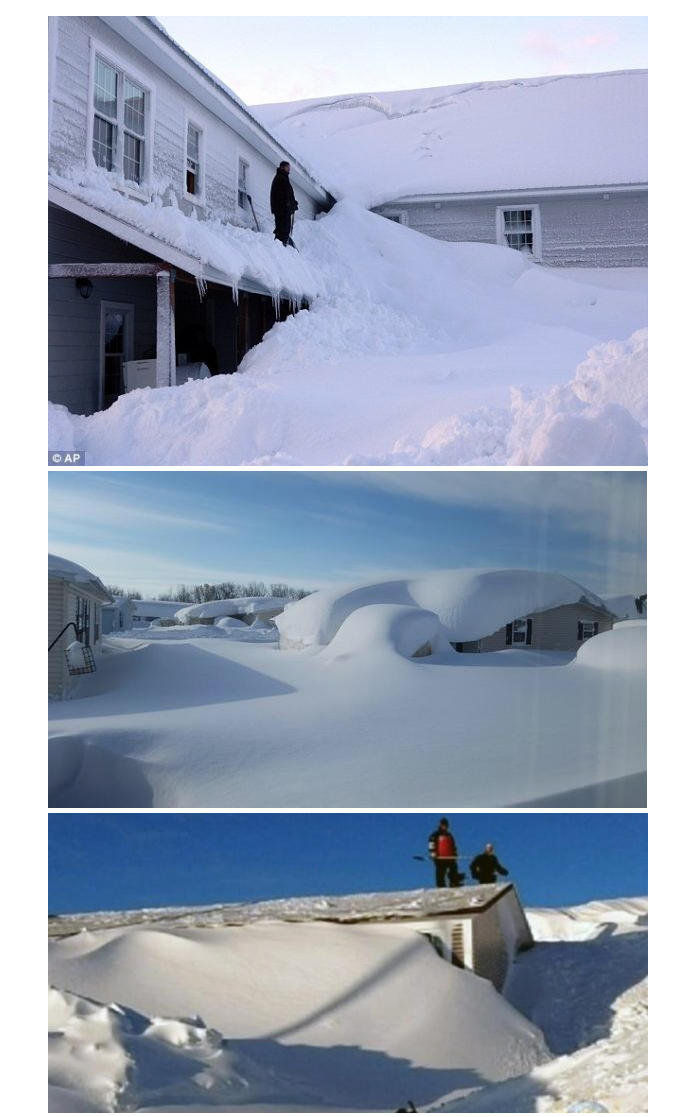
snow_homes_1-3

Ah, winter! The time of cozy fires, big ol’ mugs of hot cocoa, and—for those of us living in frosty climates—hours upon hours of shoveling snow.

Whether it’s laziness or forgetfulness, not clearing your home of snow in a timely fashion can create a bevy of problems, from a cracked foundation to a flooded basement or a slippery driveway that leads to a lawsuit from your irritable postal service employee.

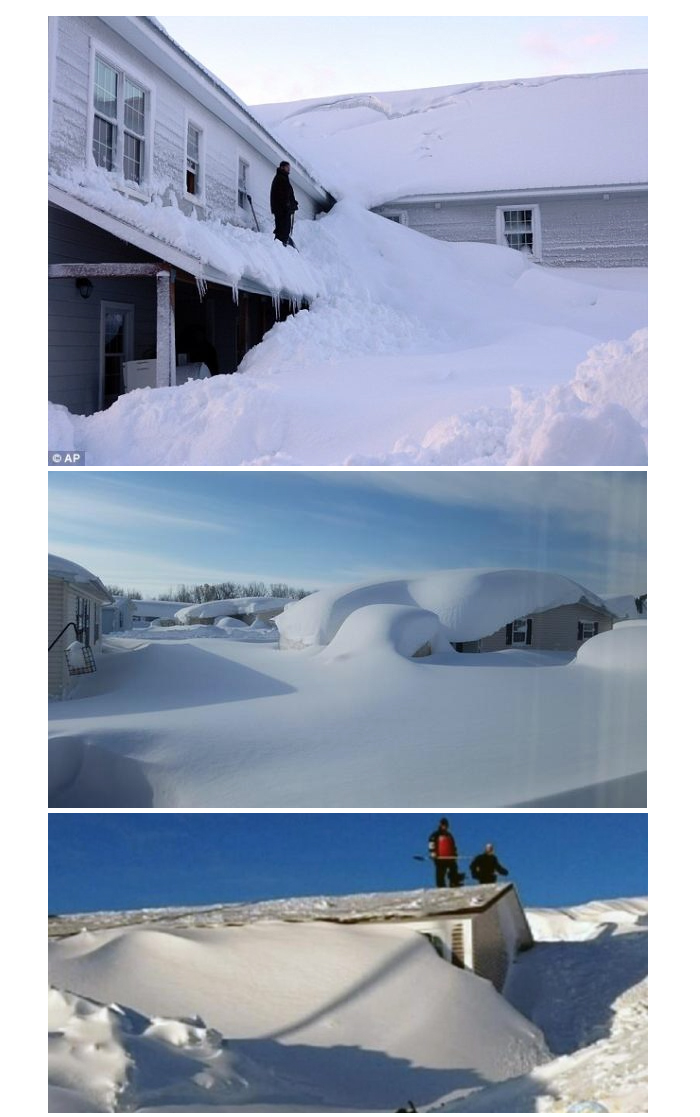
Just for a fun little winter pregame, here is a selection of homes absolutely smothered in snow. Sit back and prepare to pity these homeowners.

Are you excited for snow season yet?

Zoe Eisenberg is RISMedia’s senior content editor. Email her your story ideas at zoe@rismedia.com.

This was originally published on RISMedia’s blog, Housecall. Visit the blog daily for housing and real estate tips and trends.

The post Just for Fun: Houses Covered in Snow appeared first on RISMedia.

…read more

From:: Real Estate News

Just for Fun: Houses Covered in Snow

By Susanne Dwyer

snow_homes_1-3

Ah, winter! The time of cozy fires, big ol’ mugs of hot cocoa, and—for those of us living in frosty climates—hours upon hours of shoveling snow.

Whether it’s laziness or forgetfulness, not clearing your home of snow in a timely fashion can create a bevy of problems, from a cracked foundation to a flooded basement or a slippery driveway that leads to a lawsuit from your irritable postal service employee.

Just for a fun little winter pregame, here is a selection of homes absolutely smothered in snow. Sit back and prepare to pity these homeowners.

Are you excited for snow season yet?

Zoe Eisenberg is RISMedia’s senior content editor. Email her your story ideas at zoe@rismedia.com.

This was originally published on RISMedia’s blog, Housecall. Visit the blog daily for housing and real estate tips and trends.

The post Just for Fun: Houses Covered in Snow appeared first on RISMedia.

…read more

From:: Real Estate News